Wall Street Journal/Dow Jones/NewsCorp: Client since June 2018
Responsible for managing the search for a new order management system supporting Dow Jones, and for the project management of its implementation. Currently hosting a reporting and billing service, transforming data from the OMS for ingestion by client’s internal systems. Separately, advised NewsCorp on ad server technology, as well as technical evaluations of ad code across global NewsCorp properties and recommended improvements.
WebMD: Client since June 2004
Engaged as Project Managers for implementation of WebMD’s order management system which included integration with Salesforce and the GAM ad server. Responsible for data migration leveraging the OMS and GAM APIs. Currently, we host custom software to enable bulk editing and management of WebMD’s ad product catalog.
New England Journal of Medicine: Client since 2014
Advising New England Journal of Medicine on ad platforms and best practices in digital ad operations ranging from order management, ad serving and trafficking to data management platforms. Includes consultative work on the impact of media fragmentation and AI on digital advertising.
Conde Nast: Client March 2016 – 2025
Engaged in the deployment of ad platforms for Conde Nast. Embedded with the global project management and data migration teams, rolling out a new CRM, Order Management and Invoicing platform to the UK, Spain, Germany, Italy, France, Mexico, and Middle East.
The New York Times: Client June 2007 – January 2020
Engaged in recommending and implementing changes to their advertising and platforms from order management systems to ad servers. In 2019, we managed the data migration project for NYT’s move to a new order management system linked with Salesforce. Created training materials and performed in-market training and hyper-care in both NY and London offices.
Google: Client February 2012 – January 2019
Engaged as project managers for the migration of Google ad platforms. Our first cycle was moving Google clients from their legacy ad server to GAM. Our next cycle was implementing Google’s order management platform. We were assigned specific clients in part based on our ability to perform data mapping and API-based migrations for their Tier 1 clients such as Viacom, LinkedIn and ESPN.
McClatchy Publishing: Client Jan. 2019 to July 2022
Engaged as project managers, deploying MC’s next generation ad platform, which consolidated management of digital and print from 6 platforms, to a single unified platform. Conducted an evaluation of their end-to-end processes and applications including Salesforce, AdBase, DFP, XPanse (creative management), Salespoint and Oracle. Worked with both national and regional stakeholders. Recommended options to either retrofit, reduce or replace their ad platforms, and helped McClatchy select AdPoint as the vendor.
Hearst Magazines: Client May 2015 to June 2022
Engaged as project managers for Hearst ad platform migrations including order management systems. Managed the migration to a combined digital / print order management system platform, AdPoint, in support of Hearst Magazines. Includes requirements-gathering, documentation of the future “to be” state and managing both vendor and internal Hearst stakeholders.
Las Vegas Review Journal: Client October 2022 – January 2024
Project manager for implementation of new CRM, Order Management and Accounts Receivable platform, supplied by Lineup’s AdPoint system. Assign tasks and track deliverables LVRJ and LineUp in support of an October 2023 launch.
Tribune Publishing Client January 2019 – June 2023
Project Managers for the implementation of Tribunes’ order management system. Supported Tribune with data hosting of advertising revenue reports, and creation of monthly billing files.
Viacom/Paramount: Client 2014 – 2021
DMW has provided project management, training, change management, ad operations and migration expertise for Viacom Digital. In 2020, we created the network design for Viacom’s video ad product catalog and commercial break patterns in Freewheel. In 2021 we trained incoming sales support staff on their end-to-end ad platforms ranging from CRM to Order Management to Ad Serving and BI reporting including Salesforce, Operative, Google, Freewheel and BI systems
Spotify: Client June 2017 to December 2022
Engaged with Spotify to evaluate workflow and platforms supporting digital advertising and create the next gen order management platform to support this global entertainment and media company. Project Managers for the deployment of a new OMS in conjunction with Salesforce and Google platforms. Engaged in a multi-year data management/hosting agreement, producing real-time reporting on media revenue.
Expedia: Client from June 2019 to January 2021
Engaged in documenting business requirements used in evaluating a new order management platform. Led the RFP and review process, recommended the OMS solution currently being adopted by Expedia.
LinkedIn: Client February 2015 – January 2018
Engaging in several cycles of platform and data migration for LinkedIn from legacy sales and marketing platforms to their in-house Salesforce platform. Enabled LinkedIn to maintain day to day business operations while shifting to new digital platforms and launching with zero data defects, despite the requirement to provide automated migration of 50,000+ line items and creatives.
PGA Tour: Client January 2015 to December 2022
Evaluated operational workflow and order management platforms for PGA Tour. Led the RFP process and implemented the configuration and launch of Operative in support of digital ad sales and operations. Currently engaged in implementing DAI and VOD distribution projects with partners such as XUMO. Sourcing out CDN and transcoding partners for PGA internal ad operations.
Scripps Digital: Client from April 2014 to January 2015
Led project management for new ad code deployment across Food Network, HGTV and Travel Channel. Created and executed testing and QA processes to validate proper ad display, targeting via key values and ad creative functionality during deployment of their ad server. Required managing resources across web development and ad operations divisions, both external and internal resources.
Pandora: Client March 2013 to December 2013
Assisted in the deployment of DFP ad server as part of the Google / Pandora management team. Trained Pandora traffickers in best practices in trafficking in DFP and generating reports through the DFP Query Tool.
Weather.com: Client January 2011 – June 2013
Engaged in evaluating sales and operations processes at this Atlanta based content company, highlighting gaps in workflow and applications, and making recommendations for improvement and adoptions of new technologies to aid digital sales, focusing on a new order management (OMS) system. Participated as a member of internal project team to launch new ad serving platforms including DFP Premium.
Jumpstart Automotive Media: Client from March 2007 to January 2011
Jumpstart is the internet sales and ad operations division for Car and Driver, Road and Track, JD Powers, Vehix. Consulted on “best practices” in sales operations and workflow during the launch of the company. From 2008 – 2011, created custom inventory reports to automate trafficking and increase targeting capabilities and custom revenue reports to support affiliate partners. Now owned by Hearst.
NBC Universal: Client March 2013 to May 2014
Managed and executed end to end QA and testing processes associated with adoption of new order management platform, deployment of upgraded ad server XFP and integrations Salesforce and Freewheel. Created product requirements and testing scripts across NBCU properties and executed on those script to certify readiness of launch.
American Medical Association: Client from June 2009 to February 2010
Responsible for building in-house ad operations capabilities including sourcing, evaluating and negotiating with ad serving, contract management and trafficking resources. Created training programs for in-house print staff on digital media. Deployed ad serving platform DFP
Discovery Channel: Client Oct 2010 – July 2012
Evaluated workflow and process in digital ad operations, and recommended changes to improve efficiency. Based on business requirements, evaluated OMS / ad serving options and recommended options for new platform at Discovery.
Meredith Publishing: Client May 2012 to September 2012
DMW MediaWorks was engaged in managing the implementation of new ad serving technology for this network of over 20 premium websites including Better Homes and Gardens. Includes project management and interaction between vendors, ad operations and development groups to launch upgraded ad server and consult on consolidation with other businesses units such as AllRecipes.
Turner Broadcasting: Client from October 2006 to September 2008
Engaged in evaluating internet ad operations applications and workflow. DMW recommended short and long-term strategies for improvement including review of both linear and digital applications. Managed the relationships between vendors (DoubleClick), and internal product and technology managers to launch a series of new Turner entertainment sites. Guided internal product development teams in best practices in developing custom ad serving applications.
A&E: Client from July 2007 to December 2007
Engaged in evaluating ad operations and sales at AE including the ad products, systems, staffing and workflow associated with processing online orders. This includes producing recommendations on ad product development, inventory management, trafficking, ad serving/contract management software and billing.
AutoTrader: Client from March 2007 to August 2007
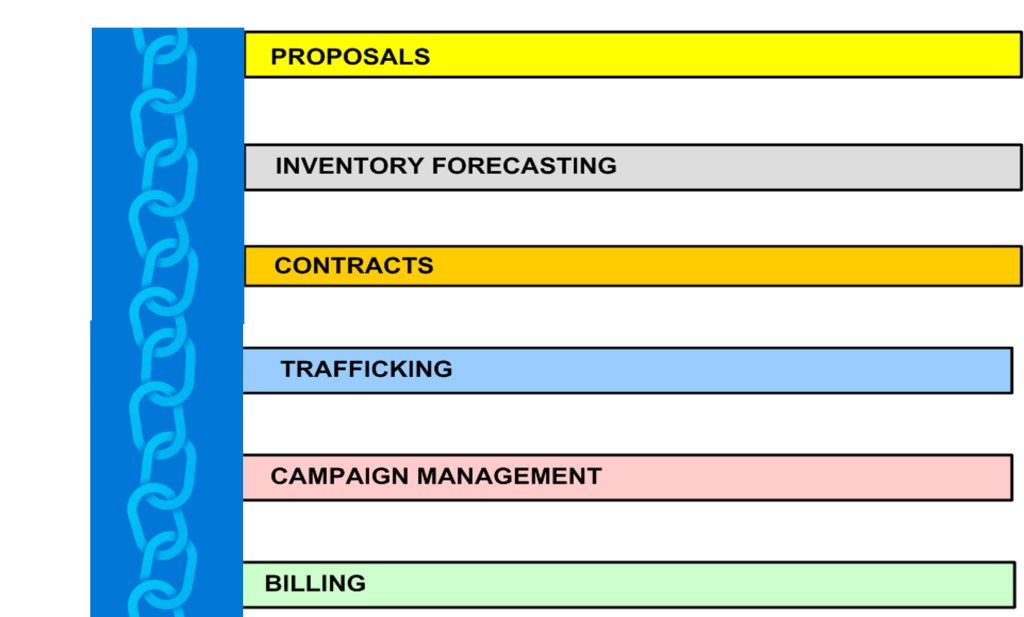
Engaged in evaluating advertising operations at AutoTrader and making recommendations on industry “best practices” in end-to-end workflow including management of the sales process, ad inventory, contracts, campaigns and billing.
Universal Music Group: Client from June 2007 to December 2007
Engaged in project management for the creation of an in-house digital media operations group, including deployment of an ad server and video player across music labels Island/Def Jam, Motown, Interscope and Geffen. Project involves coordinating and managing of cross functional departments of IT, Sales, Production Management and Finance.
Viacom Television Station Group: Client August 2004 to October 2005
Accountable for building the media operations group in support of 33 CBS and UPN TV station websites. Included evaluating, selecting and implementing ad serving, contract management and site analytics solutions. Recruited staff and trained sales on online media and affiliates on ad operations procedures.
InterActiveCorp: Client July 2005 – February 2006
Engaged in evaluating and implementing media operations applications across a network of sites including Ask Jeeves, Ticketmaster, Expedia, Evite, Excite, IWon, CitySearch and Match.com. Focused on creating integration solutions for media operations among the recently merged companies and deploying behavioral targeting across network.




 DMW MediaBlog